
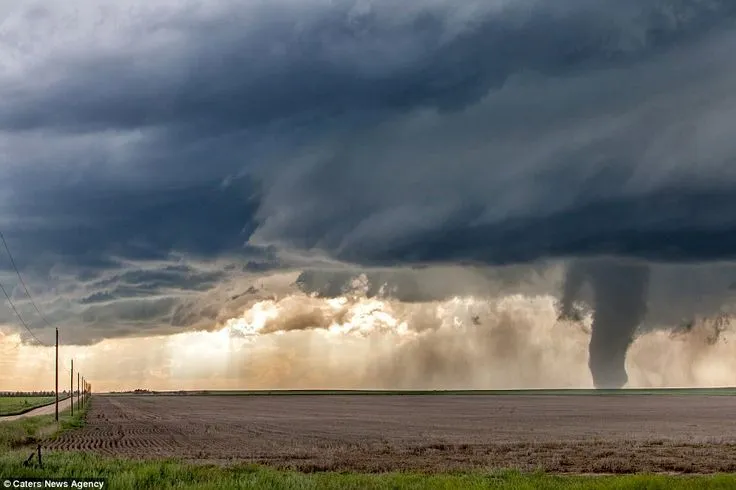
A single afternoon can reveal only a small part of severe weather. Conditions change from day to day, storm systems move across large areas, and an impressive forecast does not always produce the expected result. This is why travelers considering storm chasing tours 2027 Wichita Kansas may find a multi-day format particularly interesting. Instead of placing every expectation on one forecast, they can experience several different weather setups during the same journey.
Multiple days also allow the trip to develop its own rhythm. Travelers become more familiar with forecast discussions, road travel, changing targets, and the landscapes of the Great Plains. What initially seems unfamiliar can gradually become easier to understand as each day adds a different piece to the experience.
Each Morning Starts With a New Situation
Yesterday’s weather does not determine what will happen today. Overnight changes can shift the area of greatest interest considerably, requiring a fresh look at atmospheric conditions each morning. This gives every chase day a natural reset. One morning might point toward Kansas, while another could favor a different part of the Plains.
For travelers, the changing target keeps the trip from becoming repetitive. Even when the basic process of forecasting and traveling remains familiar, the actual destination and weather situation can be completely different.
Different Days Can Produce Different Skies
Severe-weather environments vary. One day may feature rapidly growing thunderstorms, while another produces slower development or storms with very different visual characteristics. The variety is useful for anyone interested in observing weather. Rather than seeing one storm and assuming all severe thunderstorms look similar, travelers have opportunities to compare cloud structure, movement, precipitation, lightning, and surrounding conditions.
These differences can be especially valuable for photographers looking to create a varied collection of images.
Familiarity Builds Naturally
The terminology used around storm chasing may sound unfamiliar on the first morning. Travelers could hear discussions about instability, moisture, storm movement, or target areas without immediately understanding how everything fits together.
After several days, repeated exposure provides context. Guests can begin connecting forecast conversations with what they later observe outside.
This does not require studying meteorology beforehand. Simply experiencing the process repeatedly can make the reasoning behind daily decisions easier to follow.
The Road Trip Changes Along With the Forecast
People exploring tornado chasing tours 2027 should expect a multi-day trip to cover more than one local area. Severe weather patterns move, so remaining mobile is important.
This can turn the journey into an exploration of the central United States. Depending on the weather, travelers may encounter:
- Open agricultural landscapes
- Long stretches of rural highway
- Small Plains communities
- Changing vegetation and terrain
- Wide, unobstructed horizons
- Different overnight destinations
The geography becomes part of the experience instead of simply providing a background for storms.
Quieter Days Provide Useful Contrast
Not every day will deliver equally active weather. A quieter chase can initially seem less exciting, but it provides contrast that makes more active days easier to appreciate.
Travelers can spend additional time observing early cloud development, understanding forecast choices, photographing landscapes, or discussing why the atmosphere behaved differently from expectations.
Weather uncertainty is unavoidable. Experiencing both quieter and more active periods provides a more realistic picture of what storm chasing actually involves.
Photography Can Improve Over Several Days
The first time a large storm appears, photographers may instinctively take pictures without thinking much about composition. After a few chase days, they often have a better idea of what they want to capture.
Wide views may become more important because they show the scale of the storm. Roads, fields, and other landscape elements can add context. Travelers may also become more aware of changing light and cloud textures.
A multi-day journey gives photographers repeated opportunities to experiment rather than relying on a single afternoon.
There Is Time to Learn From Experience
One advantage of consecutive chase days is the opportunity to reflect and apply what was learned.
A traveler might notice that they carried too much camera equipment on the first day, forgot to charge a device, or spent too much time looking through a screen instead of watching the sky.
Small adjustments can improve the following days. The trip therefore becomes easier and more comfortable as guests understand its practical rhythm.
Expectations Become More Balanced
A multi-day experience also encourages a broader definition of success. Tornadoes cannot be guaranteed on any particular day or across an entire trip.
When travelers experience several forecasts and outcomes, they can begin appreciating other aspects of severe weather more fully. Storm structure, lightning, cloud development, landscapes, changing light, and the forecasting process all contribute something different.
The journey becomes about experiencing an evolving atmosphere rather than waiting for one specific event.
Conclusion
A multi-day storm-chasing adventure provides time to experience different forecasts, landscapes, storm structures, and travel conditions. Each new day can add another perspective while helping travelers become more comfortable with the unpredictable nature of severe weather.
With Storm Chasing Adventure Tours, guests can experience this changing rhythm across the Plains, allowing the journey to develop through multiple weather days rather than depending on a single forecast or one hoped-for moment.