
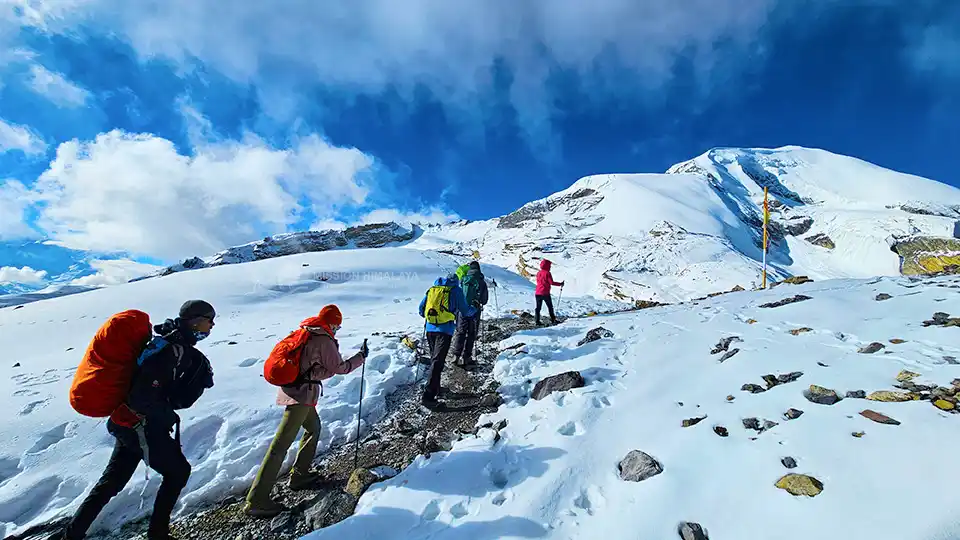
Nepal just has this pull on people. I do not know how else to explain it. You start reading about Annapurna Round Trekking and the next thing you know, you’ve got twelve tabs open comparing gear lists. The trail moves through farm villages, then pine forest, then bam, snow peaks that look almost fake, as if someone painted them too close. Thing is, though, and I wish someone had told me this sooner, it’s not just a scenic stroll. The whole trip bends around the season you pick, how fit you actually are (not how fit you think you are), and whether you plan your days with any sense at all. Get that wrong, and you’re not enjoying anything; you’re just gritting your teeth to the finish.
What Makes the Trail So Special
Honestly, walking through so many different landscapes in one go, that’s the part that stays with you weeks later. One morning, it’s terraced fields, farmers already out working, and by afternoon, you’re crossing a shaky suspension bridge over some glacier-fed river that’s louder than you’d expect. Villages still hold onto old customs, tea ceremonies, that sort of thing. Locals will chat with you too if you’re not speed walking past them like you’ve got a train to catch.
Weather Changes Everything
Everyone says autumn and spring, and yeah, they’re right, annoyingly. Clear skies, drier paths, mountains that actually show themselves instead of hiding in cloud all day. Monsoon, though, forget it, mud everywhere and leeches that show up uninvited. Winter shuts the high pass down more than people plan for, which catches a lot of trekkers off guard. Pick your window carefully. It’s not just about comfort; it honestly shapes the entire trip.
Understanding the Real Challenge
Here’s where people mess up: they brush off Annapurna Circuit Trek Difficulty like it’s nothing. It’s not really about muscles or gym sessions. It’s altitude messing with your head, long days stacking up, weather flipping without warning. Thorong La sits above five thousand meters, and that height alone does weird things to your body. One day feels fine, easy even, then a tiny slope leaves you gasping like you ran a mile. You’ve got to respect that it’s unpredictable, way more than you need to respect your own fitness level.
Preparing Without Overthinking It
No need to train like you are summiting Everest, calm down. Some walking, stairs maybe, a hike or two with a loaded pack on your back. That covers most people, honestly. Sleep properly beforehand, drink water like it is your job and do not skip acclimatization days just because you are impatient. These small boring habits are the ones that actually keep altitude sickness away not some fancy training plan.
Packing Smart for Changing Terrain
Freezing in the morning then suddenly you are sweating in a T-shirt by noon it is weird but that is how it goes. Boots matter way more than whatever trendy jacket you were eyeing. Sleeping bag too, teahouses get cold once you climb higher colder than you would guess. Trekking poles seem pointless until your knees start screaming on the way down then suddenly you are thanking whoever convinced you to pack them.
Timing Your Days Wisely
Short days, steady pace that beats rushing every single time. Pushing hard to cover more ground sounds smart on paper but altitude does not care about your schedule. Locals will tell you the same thing over tea: slow down rest when your legs ask for it. That rhythm keeps you steady and turns the whole trek into something you actually enjoy instead of a countdown.
Conclusion
At the end of it all, patience wins over speed, every time. Respecting the terrain, pacing yourself, understanding what altitude does, that is what turns a hard trek into something you will talk about for years. Anyone planning this through peacenepaltreks.com will notice that a bit of prep goes further than pushing hard on day one ever could. Slow down, take in the views, let the mountains decide the pace, not your itinerary.